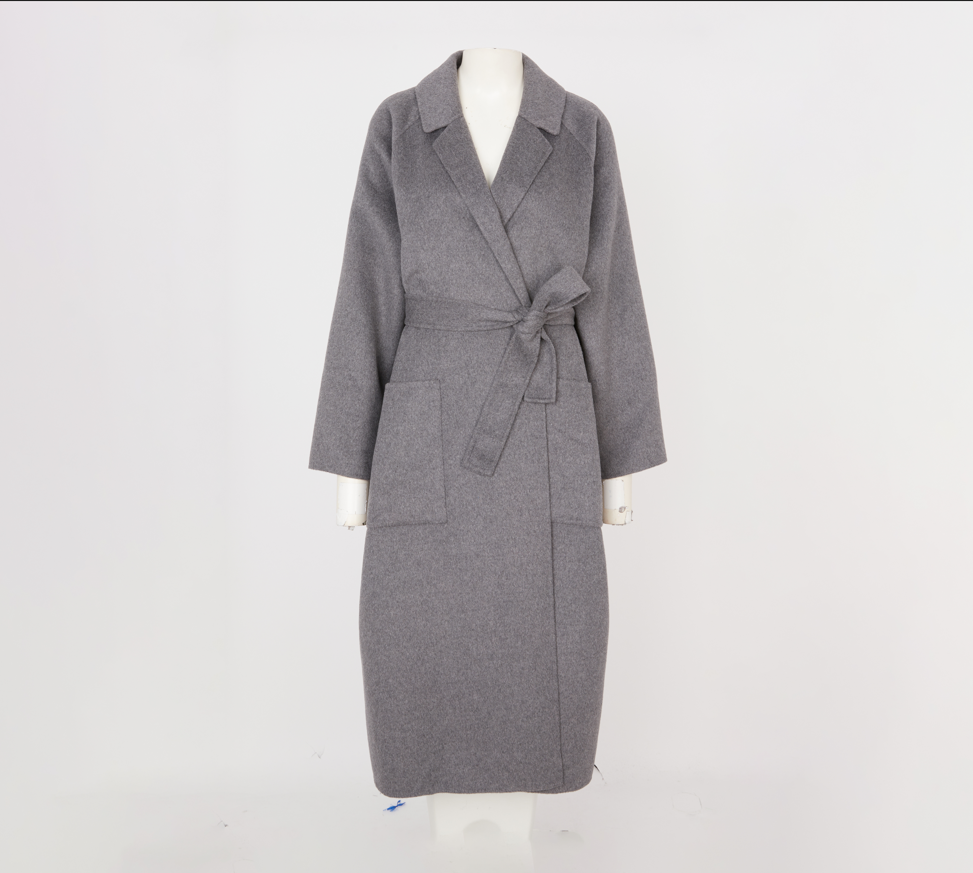
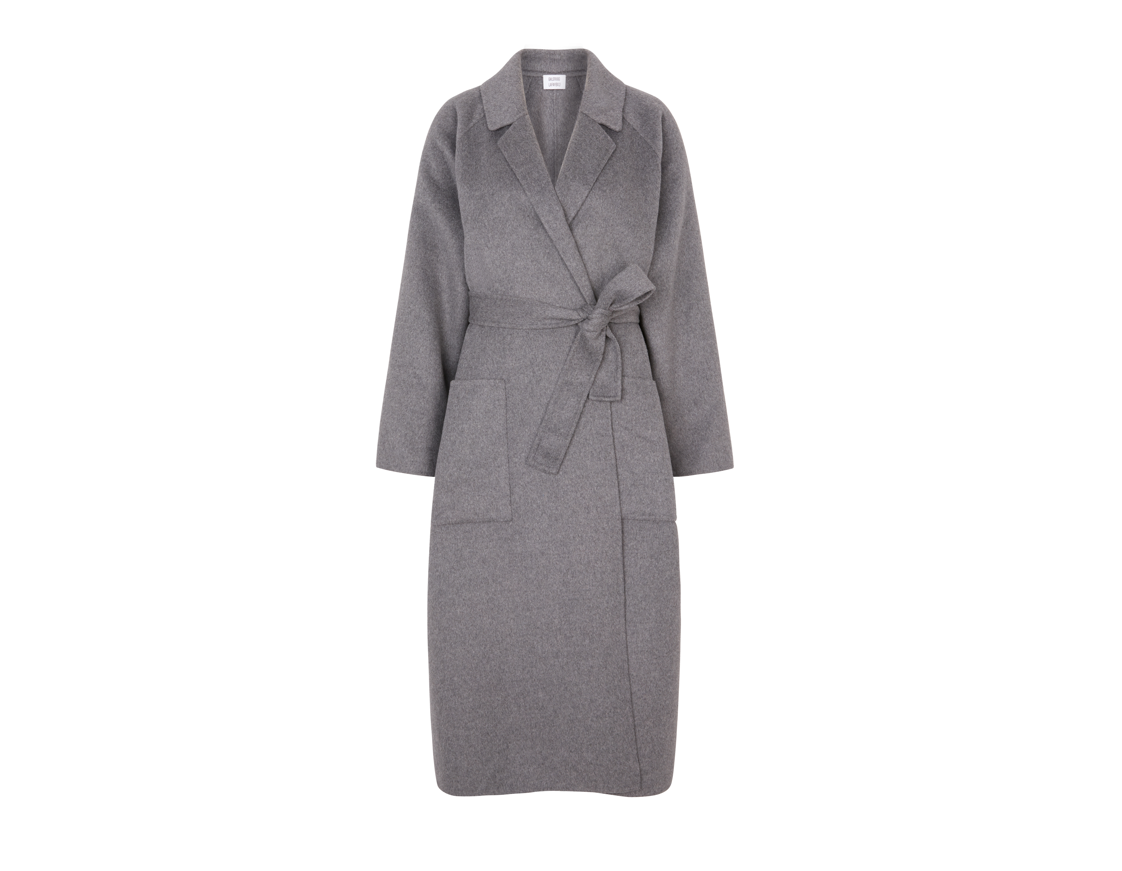
What is an image clipping path?
An image clipping path is a hand-drawn vector shape created inside Photoshop using the Pen tool. It defines the exact silhouette of a subject so it can be isolated from its background, exported with transparency, or dropped onto any surface — from marketplace listings to premium print catalogs.
Manual clipping paths preserve fine edge detail that AI selections routinely miss — especially on curved, reflective or low-contrast products.
Basic vs complex clipping path
Complexity is a function of anchor-point count. A rectangular smartphone box may take under 40 anchors, while a chandelier or bicycle can exceed 3,000. Pricing scales predictably with complexity, and Envision's estimator lets you plan production without surprises.
Clipping path vs background removal
Background removal is the outcome; clipping path is one technique to achieve it. For hard-edged products, a clipping path yields the cleanest, most editable result. For soft edges — hair, fur, glass — image masking is the correct tool.
Manual vs AI
AI selections are useful for bulk pre-processing, but hand-drawn paths are still the standard for premium ecommerce and print. Our workflow uses AI to accelerate ingest and QA, while every path is refined and signed off by a senior editor.
Common mistakes to avoid
- • Over-anchoring — bloated paths that ripple on export.
- • Ignoring transparent regions in compound objects.
- • Skipping QA at 200% zoom before delivery.
- • Delivering PNGs without embedded paths for downstream editing.